

Coaching that builds the capacities pupils need to thrive
A structured, proactive approach to developing confidence, emotional regulation, resilience, independence and self-leadership.
Schools already do a huge amount to support pupils academically, pastorally and personally. But much of that support is necessarily responsive — helping when confidence drops, emotions overwhelm, relationships become difficult or pupils struggle to engage.
Coaching creates space to work more proactively.
Through a structured approach, I help pupils develop the internal capacities that enable them to handle challenge, make choices and take a more active role in shaping their experience of school.
The work is designed in partnership with your school and can be delivered through assemblies, workshops, small-group work, 1:1 coaching, or a combination of these, depending on the outcomes you want to achieve.

How the work can take shape
The right format depends on the outcome you want to create, the pupils involved and how widely you want the work to reach. We agree that together, then shape the delivery around your school.
Assemblies — introducing shared ideas and language across a year group or whole school, helping build a wider culture around confidence, responsibility, resilience and self-leadership.
Class workshops — giving pupils more time to explore and practise specific ideas through discussion, activities and challenges.
Small-group coaching — allowing pupils with a shared developmental need to go deeper, reflect, practise and build capacity together.
1:1 coaching — providing more individualised work for pupils who would benefit from focused coaching around their own patterns, strengths, challenges and goals.
These formats can stand alone or be combined. An assembly might introduce an idea, a workshop might develop it, and small-group or 1:1 coaching can take the work further where additional depth would be useful.
Starting with a Pilot
For many schools, the simplest way to begin is with a defined priority and a small piece of work.
We agree what you want to strengthen, who the work is for and what would make it worthwhile. I then design the delivery around that — whether that is a single day, a short series of workshops, a block of group or 1:1 coaching, or a combination.
At the end, we review what was useful, what you noticed and whether there is value in developing the work further.
Investment
Before any work is booked, we have an initial conversation about your school, the pupils you want to support and the outcomes you want to strengthen.
From there, we agree what coaching could usefully contribute and what the right delivery might look like. That could involve work across the school, with particular classes or groups, with individual pupils, or a combination of these.
The agreed delivery is then organised into sessions. A session is one distinct piece of planned coaching delivery, such as an assembly, class workshop, small-group session or 1:1 coaching session.
1 session — £100
2 sessions — £175
3 sessions — £250
4 sessions — £300
There is flexibility within these options so that the structure can work around your timetable, pupils and intended outcomes.
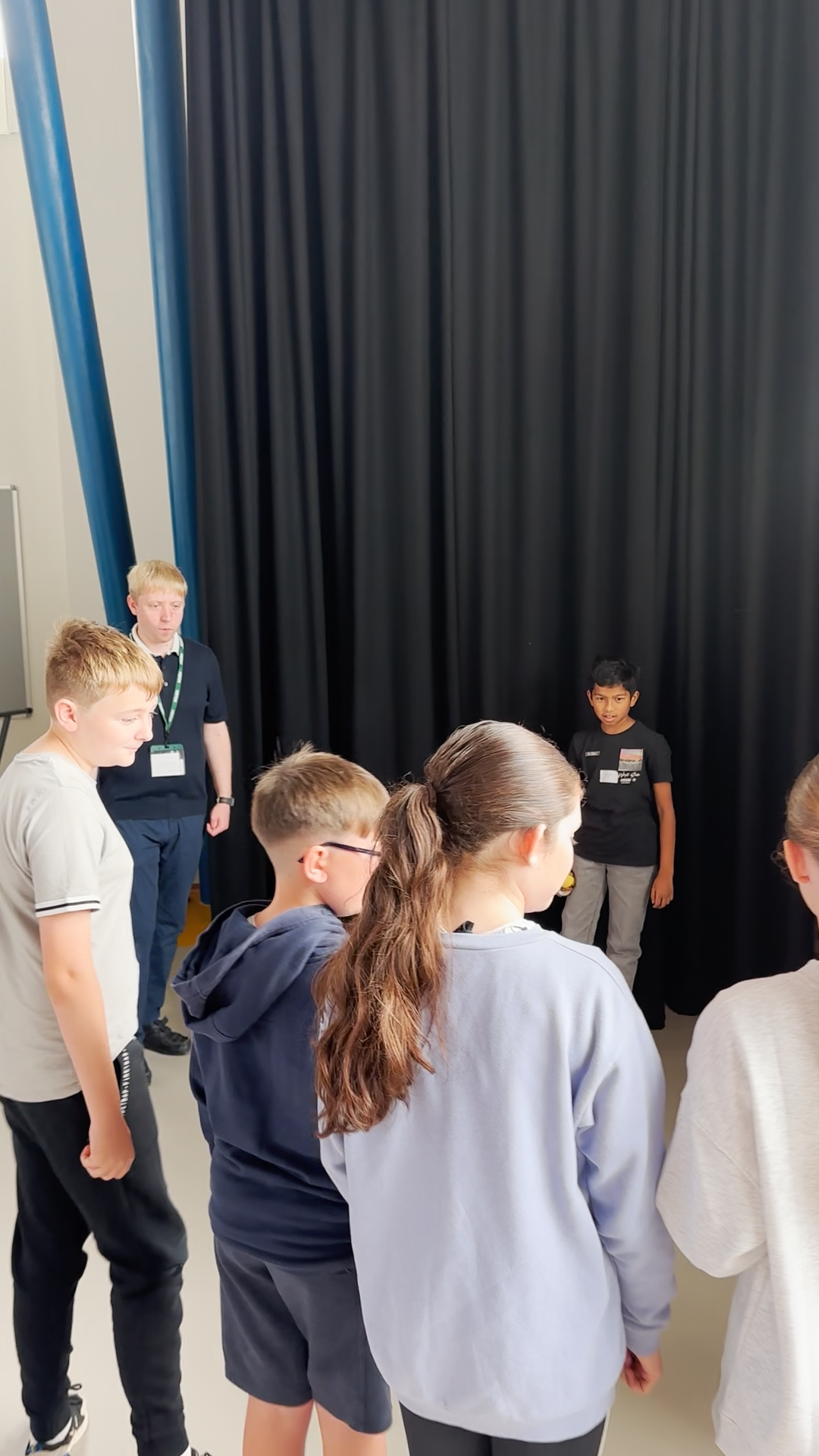
Building capacity that lasts beyond the session
A useful idea in an assembly or PSHE lesson is only the beginning. The real work is helping pupils draw on it when they are frustrated, under pressure, making a mistake, navigating a friendship or deciding how they want to respond.
Coaching creates deliberate space for that development. Pupils can explore how they think and respond, practise before difficult moments arise, and build the internal capacities that help them act with greater confidence, resilience, responsibility and independence.
For some pupils, that means rebuilding something that has taken a knock. For others, it means developing strengths or potential that might otherwise receive little focused attention.
For pupils, that can mean:
greater confidence in approaching challenge
a clearer understanding of their emotions and responses
more ownership of choices and behaviour
stronger resilience when things go wrong
greater independence and less reliance on adult reassurance
more readiness to step forward, contribute and lead
For staff, it creates a shared language to draw on.
Concepts introduced through coaching can be revisited in classrooms, pastoral conversations and everyday moments: not simply “How are you feeling?”, but “What would help you here?”; not simply “Who was at fault?”, but “What can you take responsibility for now?”
Across the school, that creates greater coherence.
Assemblies, workshops and targeted coaching can reinforce the same underlying ideas so that confidence, emotional awareness, responsibility, resilience and self-leadership are not isolated topics, but capacities pupils are repeatedly encouraged to practise.
The aim is not for pupils to remember a good assembly. It is for the ideas to become useful when real life happens.
Involving parents
Where it would strengthen the work, parents can be involved too.
That might mean a brief conversation around an individual pupil, a joint discussion about how progress can be reinforced beyond school, or a wider parent workshop linked to themes such as confidence, resilience, emotional regulation or transition.
For individual and small-group coaching, parental consent is obtained before the work begins. Any photography is also agreed in advance and follows the school’s usual consent procedures, with clear explanation of why images may be taken and how they may be used.
School-funded coaching remains coordinated through the school, but where parent involvement would add value, we can build that into the plan from the start.
Why work with Identity Coaching
Educationally grounded, emotionally safe
A coaching approach built for real school life
I understand schools from the inside. As a qualified teacher, I have worked with pupils across a wide range of ages, needs and personalities, and I know how quickly good intentions can be crowded out by the demands of the school day.
My coaching gives schools a structured way to develop capacities such as confidence, emotional regulation, resilience, responsibility and self-leadership. The work is designed around your priorities and delivered in ways that make sense for your pupils and timetable.
Educationally grounded — informed by classroom experience and an understanding of how children learn, respond and develop in school.
Developmentally focused — helping pupils build the internal capacities they need to handle challenge, relationships, mistakes and increasing independence.
Built for reinforcement — giving pupils and staff language, ideas and tools that can be revisited in everyday school life.
Designed around your school — with the focus, format and level of support agreed together before delivery begins.
Safely and professionally delivered — with an enhanced DBS on the Update Service, appropriate insurance and clear safeguarding procedures.
The longer-term aim is greater coherence: pupils hearing and practising the same ideas about emotions, responsibility, challenge and self-leadership across different parts of school life, with staff able to reinforce those ideas in the moments when they matter most.
Ready to explore what this could look like for your school?
If you would like to experience the approach first, email me to ask about an introductory pilot session. You can also tell me about a particular group or priority you have in mind, and we can discuss what kind of visit or longer programme would be most useful.
tgrimwood@identitycoaching.co.uk
Whether you are looking to build a shared language across the school, support a particular cohort, or provide more focused coaching for individual pupils, I’m happy to talk through what would be most useful and shape a plan around your priorities.